


Why Men Love Football
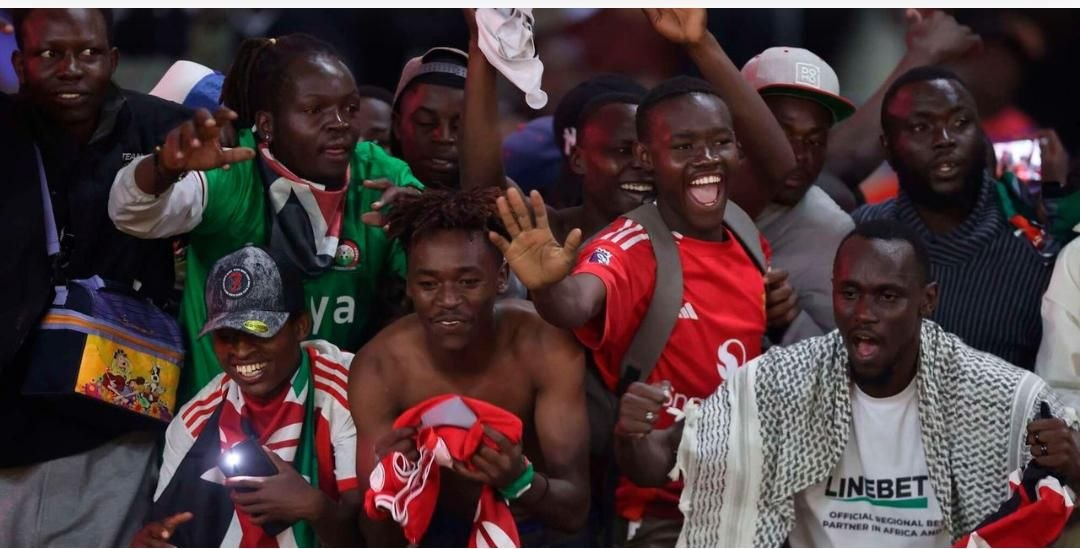
On the surface, football is a simple game: twenty-two players, one ball, ninety minutes. Yet for millions of men around the world, football is far more than a sport. It is a ritual, a language, a source of identity and often an emotional refuge in a world that rarely encourages emotional expression.
Football gives men something increasingly rare in modern life: belonging. A man can walk into a crowded stadium or a neighborhood viewing hall and instantly find himself among thousands who share the same hopes, fears and frustrations. For ninety minutes, strangers become brothers united by colors, chants and belief. The badge on the shirt becomes a symbol of community.
The game also mirrors life itself. Every season is a story of ambition, struggle, failure, resilience and redemption. Teams rise and fall. Heroes emerge and fade. Underdogs upset giants. Men see reflections of their own lives in these narratives. The defender making a last-ditch tackle, the striker missing an open goal, the captain lifting a trophy after years of disappointment – all of it resonates because life often follows the same unpredictable script.
Football offers an acceptable outlet for emotion. Many societies teach men to conceal vulnerability, but football creates a space where passion is not only accepted but celebrated. Men shout, sing, cry, laugh and embrace without apology. A last-minute winner can bring tears to the eyes of someone who has not cried in years. A painful defeat can ruin an entire weekend. The emotions are real because the attachment is real.
There is also the beauty of competition. Football rewards qualities that many men admire: courage, discipline, sacrifice, teamwork and determination. The game is a constant reminder that success is earned rather than given. Every tackle, sprint and tactical adjustment contributes to a larger objective. It is a lesson in collective effort and individual responsibility.
Beyond the pitch, football becomes a thread connecting generations. Fathers introduce sons to clubs. Friends build traditions around match days. Memories are tied to historic victories and heartbreaking defeats. Long after players retire, the stories remain. Football is often less about the game itself and more about the people with whom those moments are shared.
Critics sometimes dismiss football as “just a game.” Yet anyone who has witnessed a city erupt after a championship victory or watched supporters travel across continents for a match understands that football occupies a deeper place in the human experience. It provides meaning, identity, connection and hope.
Perhaps that is why men love football. Not because of the goals alone, but because within those ninety minutes they find friendship, purpose, emotion and a sense of belonging. Football is not merely watched – it is lived.