

Corruption Is Not Bad, Corruption Is Only Bad When…
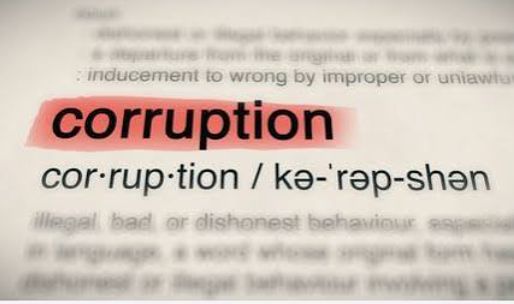
“Corruption is not bad.Corruption is only bad when I am not involved, when I am involved, I defend it!”
We’ve all come across this meme while scrolling through various social media platforms and many people seem to subscribe to it.
Did you know that Kenya loses an estimated KSh 3 billion daily (roughly KSh 1.1 trillion annually)? That’s much right?
Kenyans are always on the look out, hungry, quick to spot and devour any “opportunity,” that avails itself.And as soon as that loophole shows ripening signs, many do their best to accumulate as much wealth as possible in the name of kutoka block.
The Kenyan health sector is also trapped in this menace. And by corruption menace, I do not mean the cases where a clinical officer hides a ‘few’ boxes of drugs for his side hustle or where unscrupulous workers extort patients to secure a hospital bed or bypass a queue, these ones we are slowing becoming accustomed to. By corruption menace, I am referring to systemic corruption.The love triangles.
At the height of the COVID-19 pandemic, when COVID-19 deaths and cases were peaking, a major case unfolded. The Kenya Medical Supplies Authority (KEMSA), the state corporation under the Ministry of Health responsible for procurement, was embroiled in a KShs 7.8 billion tender scandal involving PPEs and medical equipment.Tenders were allegedly awarded to political leaders masquerading as directors behind individuals in newly formed and inexperienced companies that lacked the capacity to supply medical gear, while at the same time significantly inflating the prices.
The SHA Scandal-In just 7 months since its inception, the Social Health Authority (SHA) reportedly lost about KShs 11 billion through various irregular and fraudulent practices.
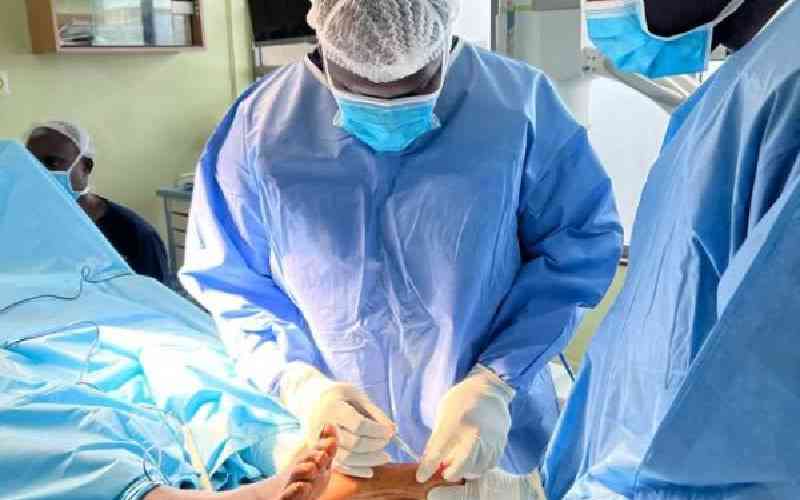
Some of the alleged tactics included billing by non-existent “ghost” hospitals, unnecessary Caesarean sections performed to inflate reimbursements, converting outpatient cases into inpatient admissions, and double billing.
In one shocking case, a patient was reportedly recorded as having 381 dependent children.Yes you heard me right, 381!
Millions were allegedly siphoned through rogue health facilities and cartels using such methods, raising serious concerns about the integrity of the system.
Such financial losses go a long way directly affect access to care, trust in the health system, and patient outcomes.
What stands out is that large-scale corruption does not begin at the top. It is sustained by smaller, normalized acts of dishonesty at an individual level that accumulate, spread, and eventually become institutional failures.
The tragedy is that many people oppose corruption only when they are its victims. When they benefit from it, they call it an opportunity, a connection, or simply being smart and they even go an extra mile to defend it.
The question is no longer whether corruption exists—but how far society has normalized it.